

13 Nov What is a Rain Garden and How Does it Work?
Posted at 10:07h
in Education


Are you looking for a way to beautify your yard while also doing something good for the environment? Consider installing a rain garden!
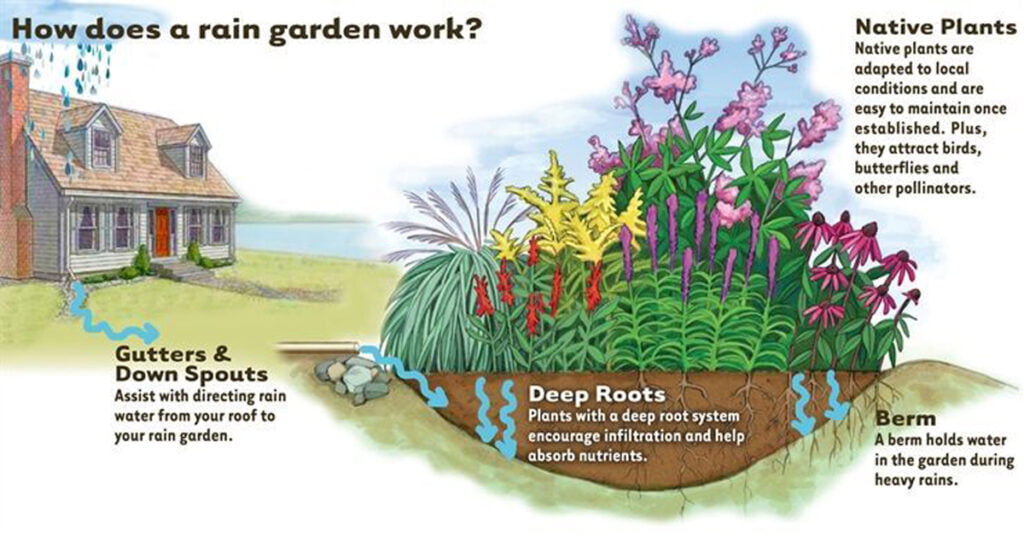
The main purpose of a rain garden is to capture and manage run-off from hard surfaces like your roof, driveway, and sidewalks. Instead of letting this water flow into storm drains and eventually into rivers and streams, a rain garden allows the water to be absorbed by the soil or evaporated by plants. This not only helps prevent erosion and pollution, but it also benefits the environment by conserving water and reducing the amount of energy used to process and purify water.
Another fantastic benefit of a rain garden is that it provides a natural habitat for native wildlife. Frogs, butterflies, bees, and birds are just some of the many creatures that will be attracted to your rain garden. As you watch these beautiful animals come visit and make a home in your garden, you’ll feel a wonderful sense of fulfillment and joy.
To install a rain garden, first, look for a space in your yard where water is already flowing. Many people assume that a low-lying area of their yard that’s accumulating water is the perfect spot for a rain garden. While you can certainly use this area, it will need to be modified. If there is already standing water, that means the water is not being filtered through the subsoil, so an amendment would need to be made before using that area for your rain garden.
Image Source: Bennett’s Creek Nursery
Rain gardens usually work best along natural swales or areas where water is flowing, or you can create an area with your downspouts out in your yard by building a pit where water will go. Whatever you do, you want to ensure the water does not sit for more than 4 days to avoid stagnation and pesky mosquitos.
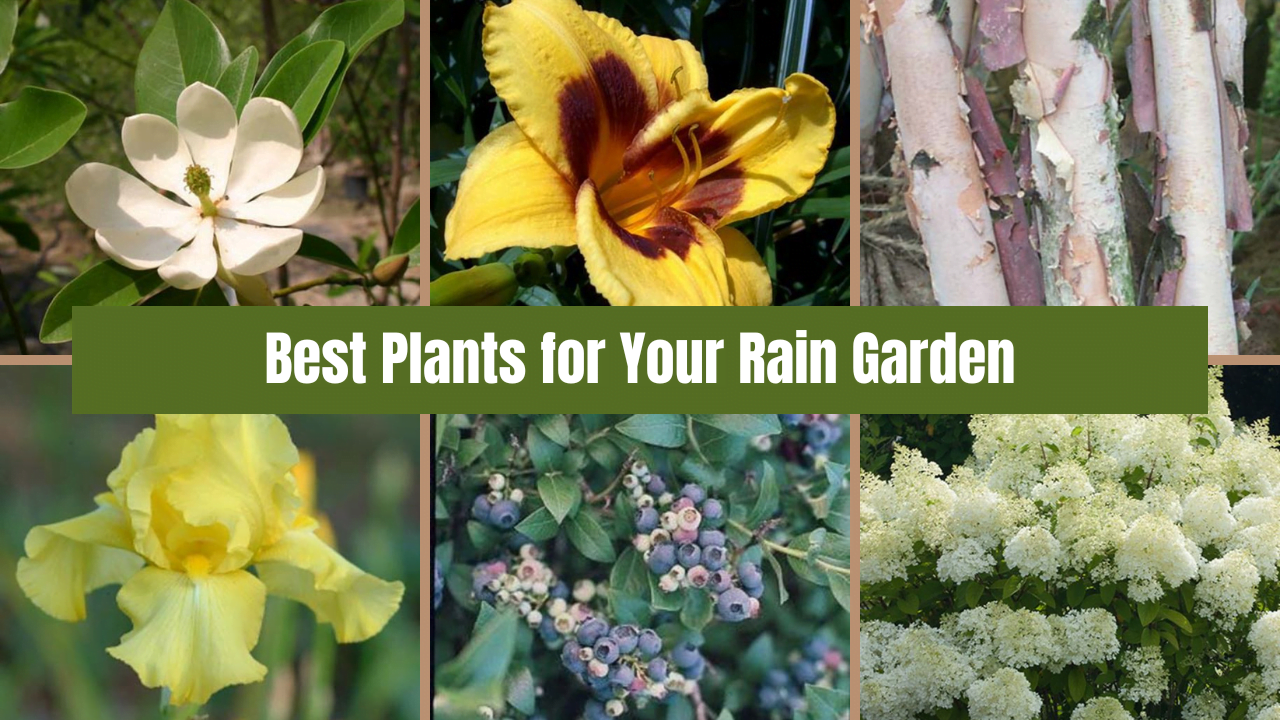
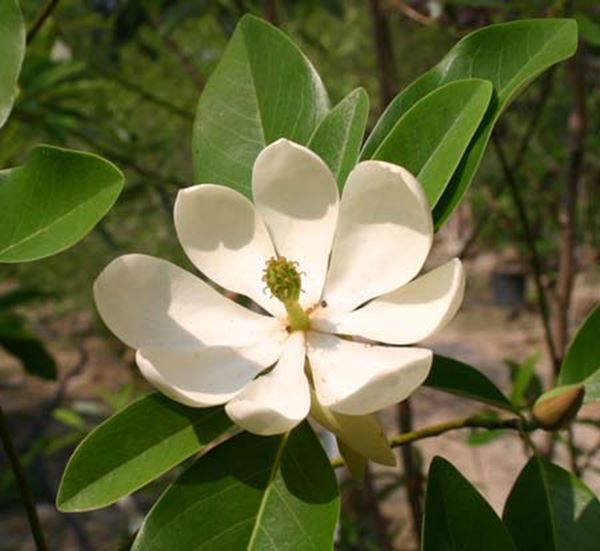
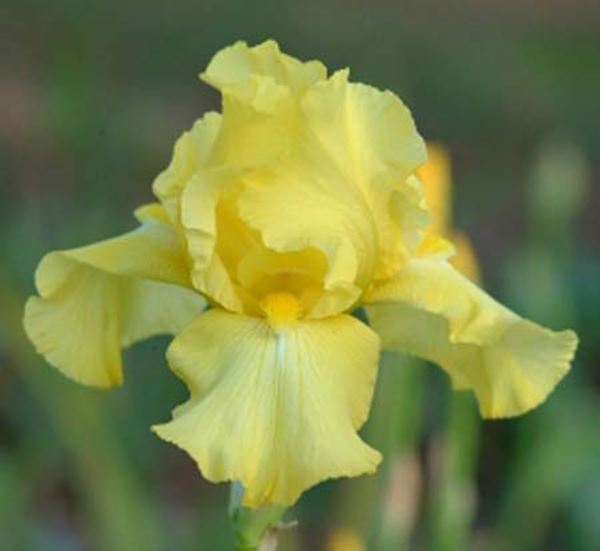
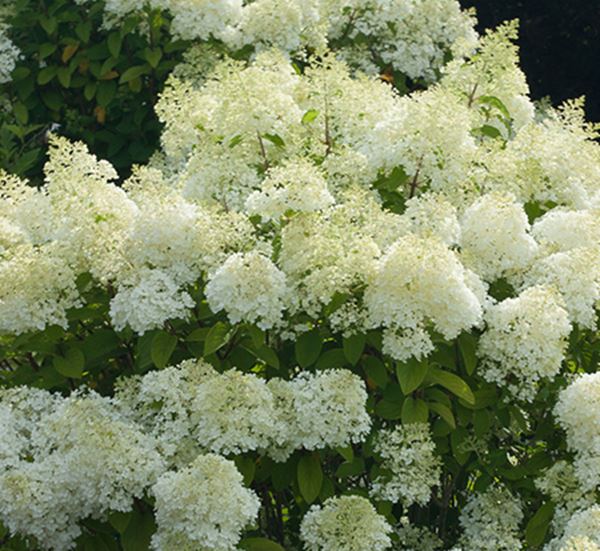
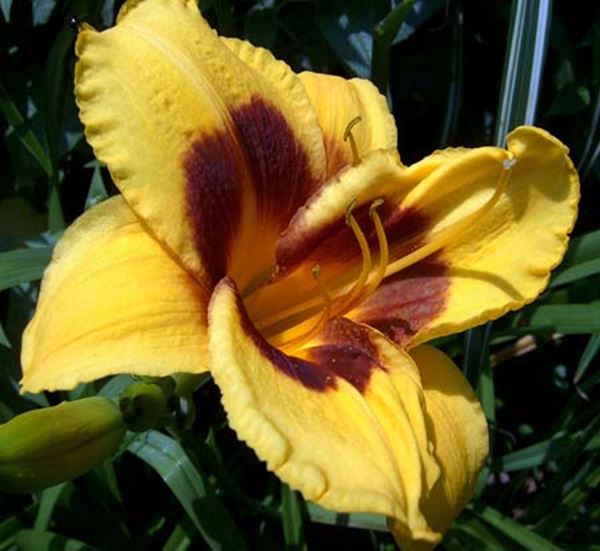
Finally, choose plants that can tolerate both periods of dryness and lots of moisture, making sure to include species native to your area. Some of our favorites include sweet bay magnolias, wild hydrangeas, iris, daylilies, river birch, and even wild blueberries.
With just a little bit of effort and investment, you can create a beautiful and functional rain garden that will not only benefit the environment but also provide you and your family with years of enjoyment and satisfaction.