

30 Mar What Are the Different Types of Pavers?




When planning a patio, walkway, or driveway, one of the first decisions you’ll make is what type of paver material to use.
There are several options available, and each one has its own strengths, appearance, and price range. The most common paver materials include:
Understanding the differences between these materials can help you choose the right fit for your space.
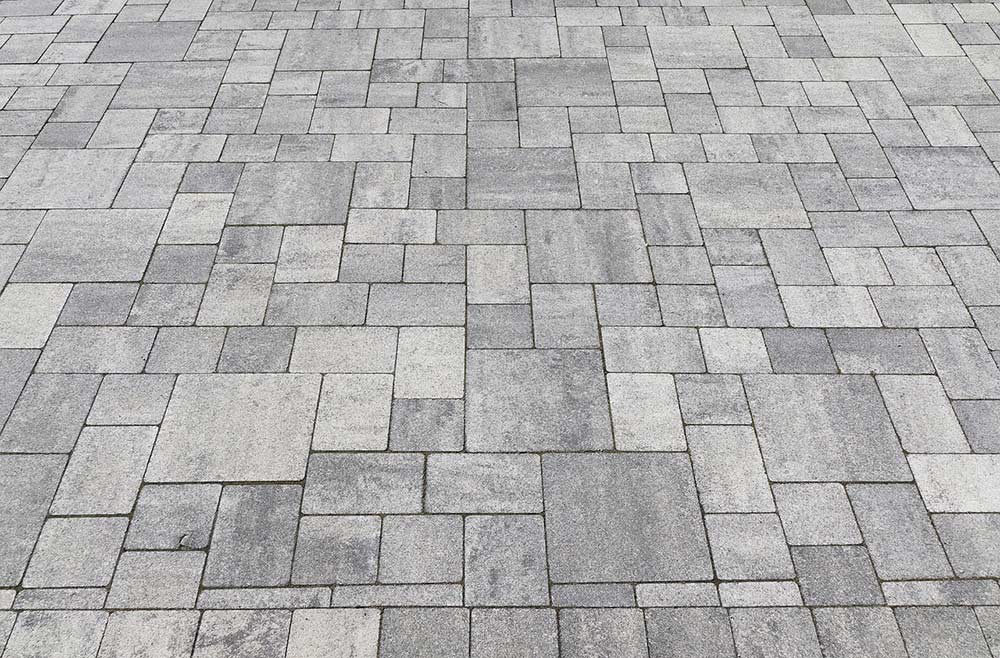
Concrete pavers are by far the most widely used option for residential patios and outdoor living spaces.
One reason for their popularity is flexibility. Concrete pavers are available in a wide variety of:
They also tend to be more affordable than natural stone while still offering excellent durability.
Most concrete pavers fall into three categories:
These are the most basic pavers and are commonly used in commercial settings like plazas, walkways, and large outdoor spaces.
These pavers include a stronger top layer that improves durability and gives the surface richer color and better resistance to wear.
Some pavers come with a factory-applied coating. However, many contractors prefer applying sealer after installation so it can be matched to the environment and use of the space.
Clay pavers are traditional brick units made from kiln-fired clay.
They are often used in:
Clay pavers offer a timeless look, but they usually come in fewer colors and shapes compared to concrete pavers.
Natural stone is often considered the most premium option for patios. Common types include:
Each stone has its own appearance and performance characteristics. For example:
While natural stone can be beautiful, it is typically more expensive and more labor-intensive to install.
Porcelain pavers are a newer option that is growing in popularity, especially for modern outdoor designs. They offer:
Porcelain is also very resistant to stains and fading, making it a low-maintenance option. However, installation requires a high level of precision, and the material can be more brittle than other pavers.
Permeable pavers are designed to allow water to drain through the surface instead of running off into storm drains.
They typically use wider joints filled with small stone or specialized permeable sand. Beneath the pavers is a stone base that acts as a reservoir, allowing water to slowly filter back into the ground.
This system can be especially helpful in areas where stormwater management is important.
Rubber pavers are usually made from recycled materials and are most often used in playgrounds or activity areas.
They provide a softer surface and can help reduce injuries in areas where children play or where equipment is used.
For patios and outdoor living spaces, however, they are much less common than traditional pavers.
There’s no single “best” paver for every patio.
Each material, whether it’s concrete, natural stone, porcelain, or brick, has its own strengths. The right choice comes down to how you want the space to feel, how it will be used, and what makes the most sense for your home and environment.
For most homeowners, the goal isn’t just picking a paver, it’s creating a space that feels natural, functions well, and actually gets used. That’s where good design and proper installation make all the difference.
A well-built patio should feel like an extension of your home, not just something added onto the backyard.
If you’re thinking about adding a patio or upgrading your outdoor space, we’d be happy to help you think through the options.
Whether you’re still exploring ideas or ready to start designing, our team can help you choose the right materials, layout, and features for your space.
👉 Reach out to Easton Outdoors to start planning your patio
Or, if you’re still in the research phase, explore more of our guides to learn what goes into creating an outdoor space you’ll actually enjoy using.